
The Timeless Art of Kondapalli Toys: From Tradition to Trend
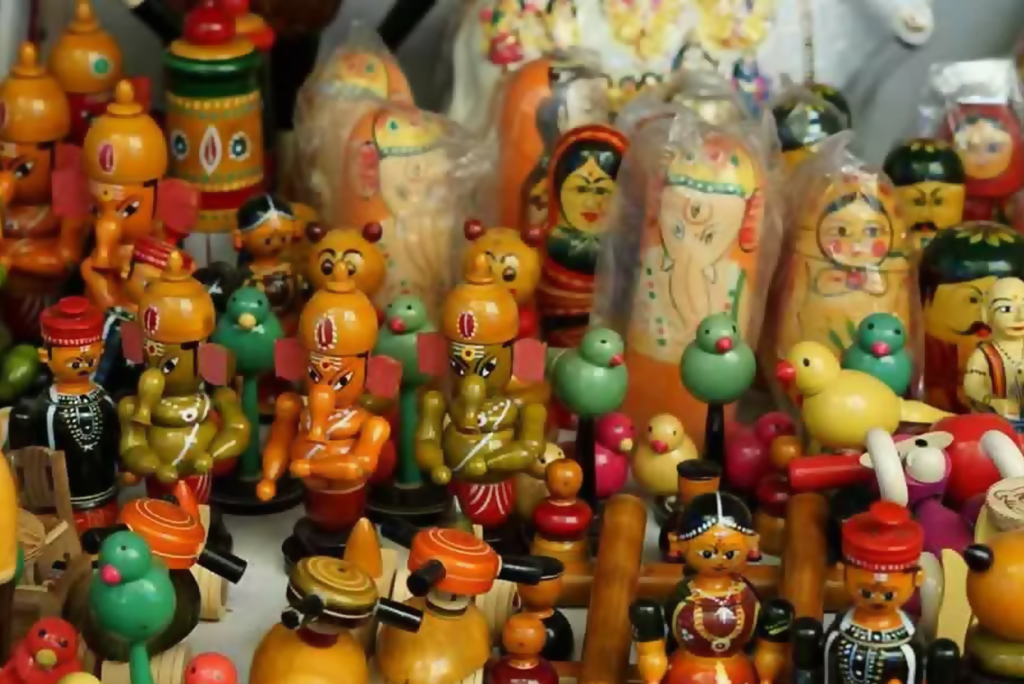
For over 400 years, in a small town near Vijayawada in Andhra Pradesh, a unique tradition has quietly carved its place in India’s rich handicraft heritage — the making of Kondapalli toys. These vibrant, hand-crafted wooden figurines aren’t just playthings; they’re storytellers, cultural icons, and a living connection to India’s artisan past.
A Glimpse into History
The origins of Kondapalli toys trace back to the 16th century, when artisans from the Aryakshatriya or Nakkash community migrated from Rajasthan and settled in Kondapalli village. Patronized by kings and local rulers, these skilled craftsmen developed a distinctive style of toy-making, blending mythology, rural life, and festivals into colorful wooden forms.
Over the centuries, Kondapalli artisans adapted their craft while holding tightly to its roots. Today, their toys are a bridge between past and present — symbols of tradition in an age of mass production.
The Secret of the Wood: Tella Poniki
At the heart of every Kondapalli toy lies a special kind of softwood called Tella Poniki, found only in the forests of the Kondapalli hills. This lightweight, easily carvable wood allows artisans to mold intricate shapes by hand. After carving, the toy is assembled using a natural glue made from tamarind seed paste, and then painted with natural, non-toxic dyes — making them eco-friendly and safe for children.
Themes that Tell a Story
Kondapalli toys often depict:
-
Mythological characters: Lord Krishna with his cows, Ganesha in various moods, or scenes from the Ramayana.
-
Village life: Farmers plowing, bullock carts, women drawing water, or musical performances.
-
Festivals & rituals: Especially popular during Bommala Koluvu (a festival display tradition in South India).
Their charm lies not only in their craftsmanship but also in the narratives they represent — simple yet powerful glimpses into Indian life.
GI Tag & Cultural Preservation
In 2005, Kondapalli toys were granted a Geographical Indication (GI) tag, officially recognizing their origin and safeguarding the artisan community’s rights. This status ensures that only toys made in Kondapalli using traditional methods can be marketed as such — helping fight cheap imitations and supporting genuine artisans.
However, despite the GI tag, challenges persist. Younger generations are drifting away from the craft, raw material access is limited, and the global market remains underexposed to this heritage toy.
The Revival: From Local Markets to Global Shelves
In recent years, initiatives like Amazon Karigar, Crafts Council of India, and various NGOs have begun to breathe new life into the Kondapalli toy industry. By training artisans, digitizing sales, and connecting them with eco-conscious customers worldwide, these platforms are helping the toys reach living rooms far beyond Andhra Pradesh.
Celebrities, interior designers, and collectors have also begun incorporating Kondapalli pieces as decor items — proving they’re as relevant in a modern home as they were in a royal court.
Our Store
Aunique assortment of Kondapallihandmade wooden toys/Kondapalli Bommalu decked on wooden steps sequentially, depicting a Royal Procession